
SEEDS SHALL SET US FREE II
2017-2021
Cyanotypes prints, inkjet prints, archival documents,
photographic reproductions of drawings
Cosmopolis #2: rethinking the human’, Center Pompidu, 2019
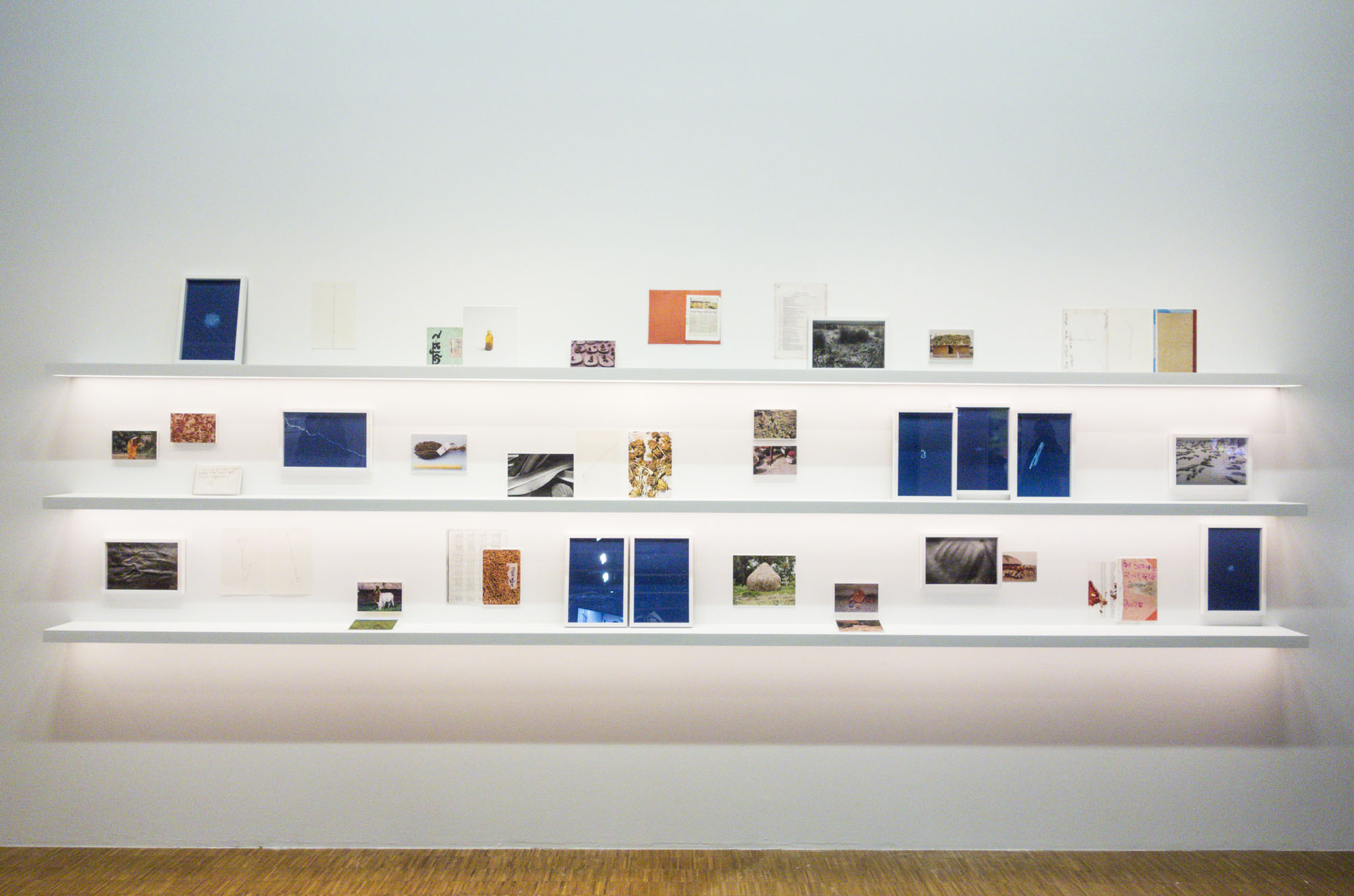
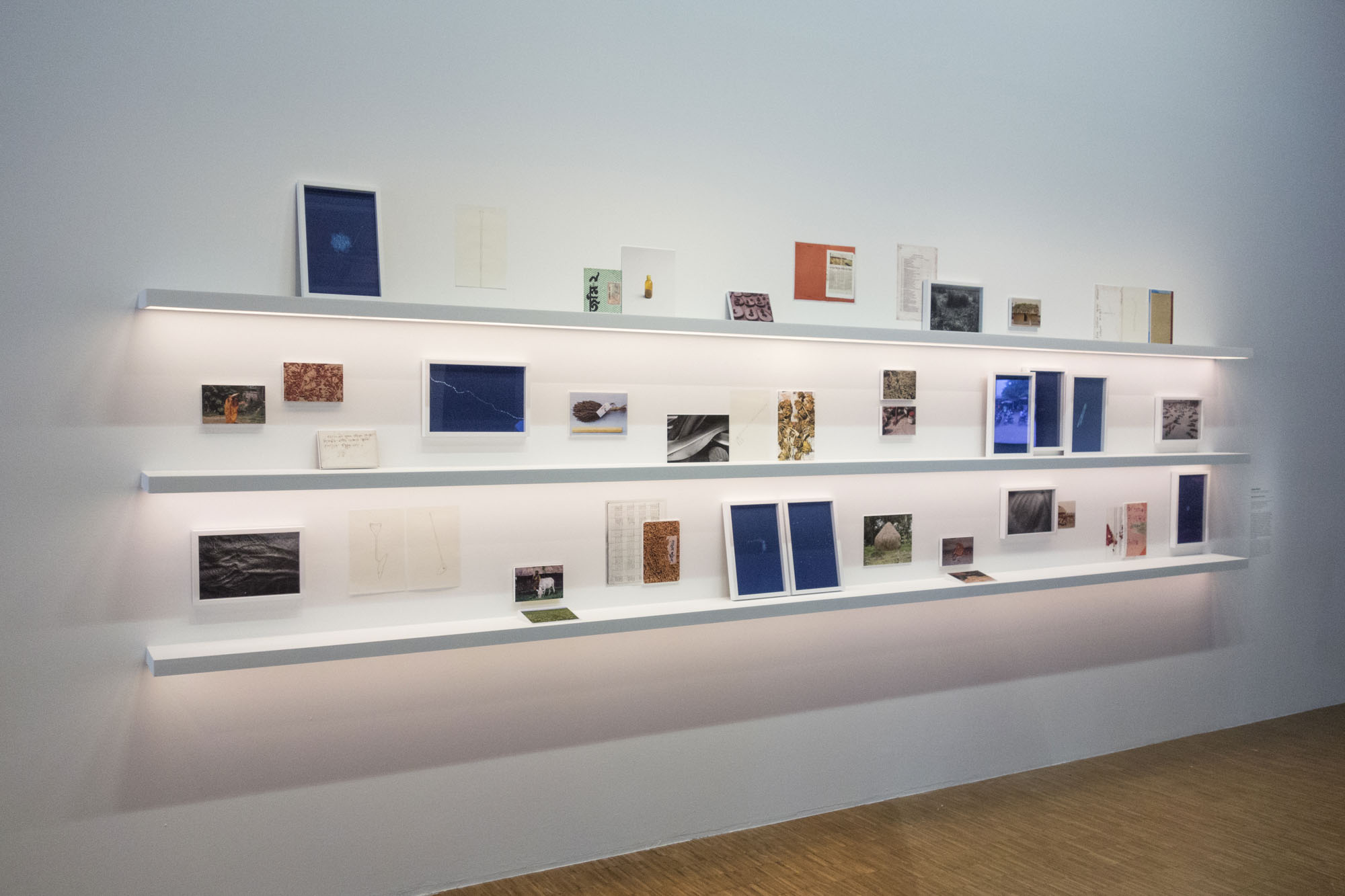
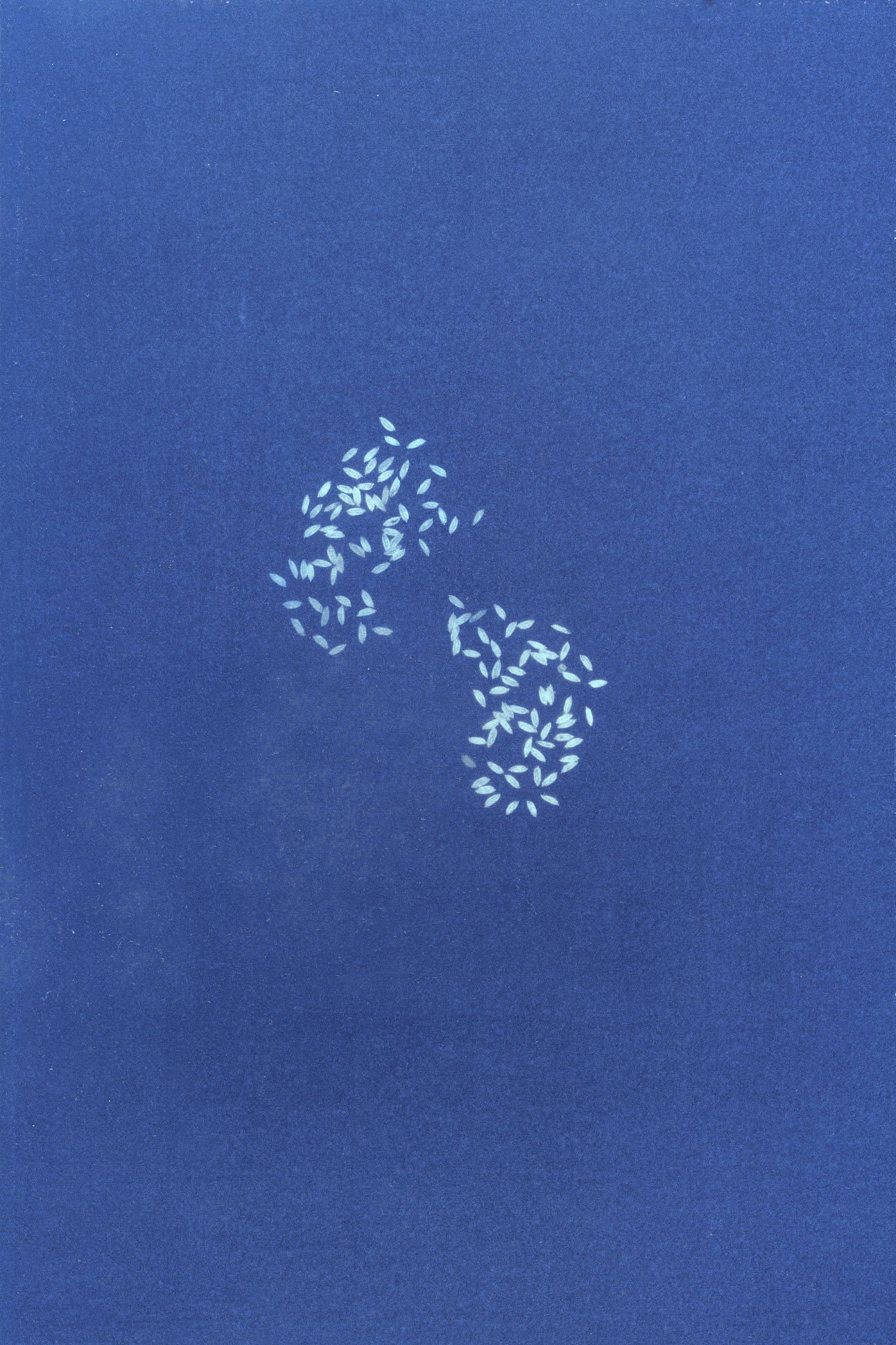
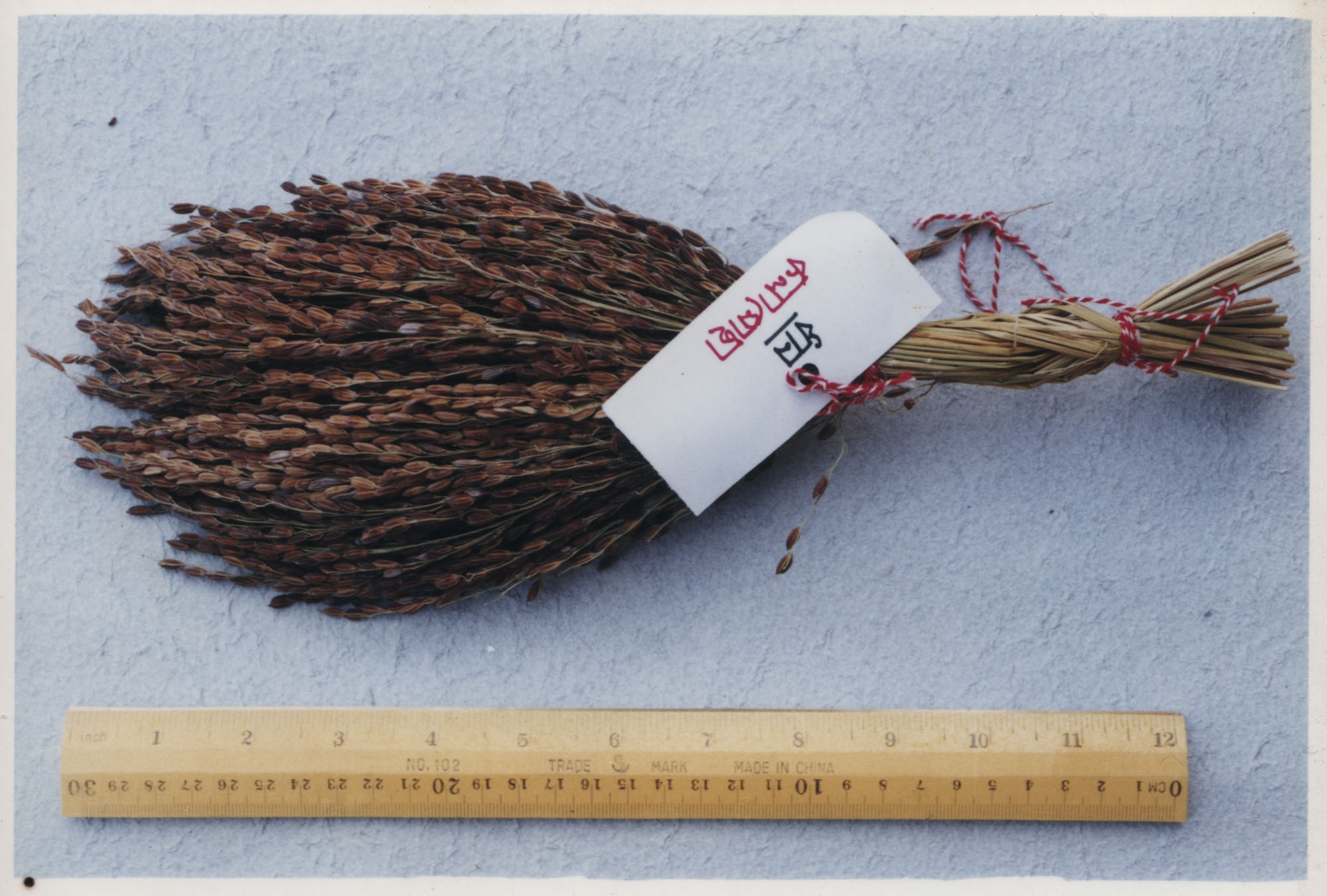
Munem Wasif seeks to reimagine an indigenous “ecosophical” mode of agriculture, where grain is a companion species to humanity, having names, deities and spirits, around which the village organizes itself. He investigates the cultural history of grain, connected to memories of the 1944 Bengal famine, caused by hoarding for British troops, during which millions starved to death, with a common sight of people pleading on the streets for phan, the excess water left over from cooking rice. Seeds Shall Set us Free (2017) is a series of cyanotype prints of rice seeds, referencing at once scientific representation and alpona, the Bengali practice of creating ritual floor paintings using rice paste.
photographic reproductions of drawings
Cosmopolis #2: rethinking the human’, Center Pompidu, 2019
Munem Wasif seeks to reimagine an indigenous “ecosophical” mode of agriculture, where grain is a companion species to humanity, having names, deities and spirits, around which the village organizes itself. He investigates the cultural history of grain, connected to memories of the 1944 Bengal famine, caused by hoarding for British troops, during which millions starved to death, with a common sight of people pleading on the streets for phan, the excess water left over from cooking rice. Seeds Shall Set us Free (2017) is a series of cyanotype prints of rice seeds, referencing at once scientific representation and alpona, the Bengali practice of creating ritual floor paintings using rice paste.
The artist excavates layers of ecological colonialism from the destruction of agricultural ecologies with the introduction of plantation farming and cash crops. Indigo was one such cash crop, alluded to in Wasif’s use of bright blue hues in his cyanotypes. Agriculture moved away from the subsistence needs of the local communities as it was harnessed towards sustaining flows of capital and balances of accounts with the introduction not only of crop monocultures but also of genetically modified seeds, producing cycles of debt that lead to dispossession and displacement.








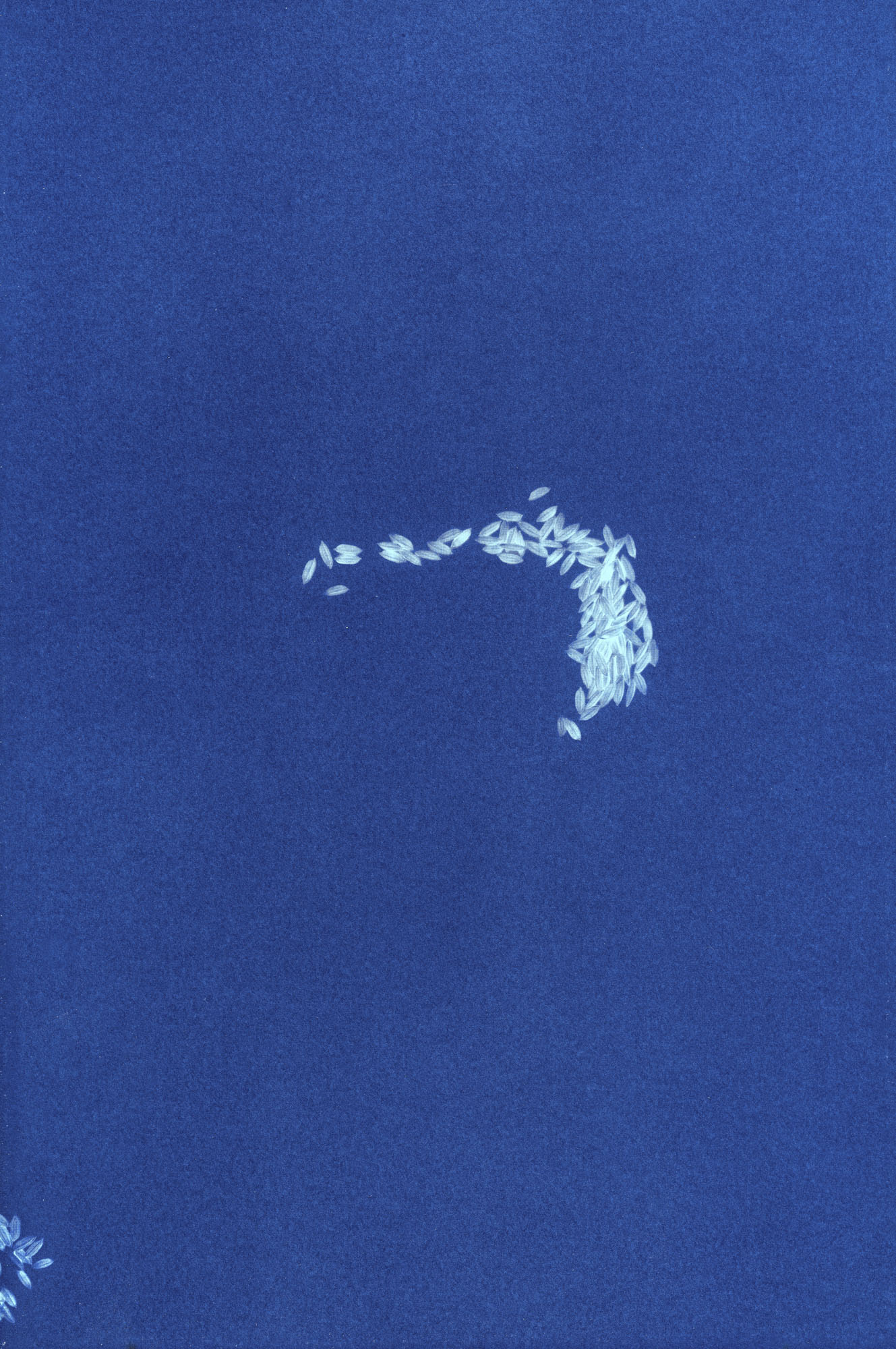



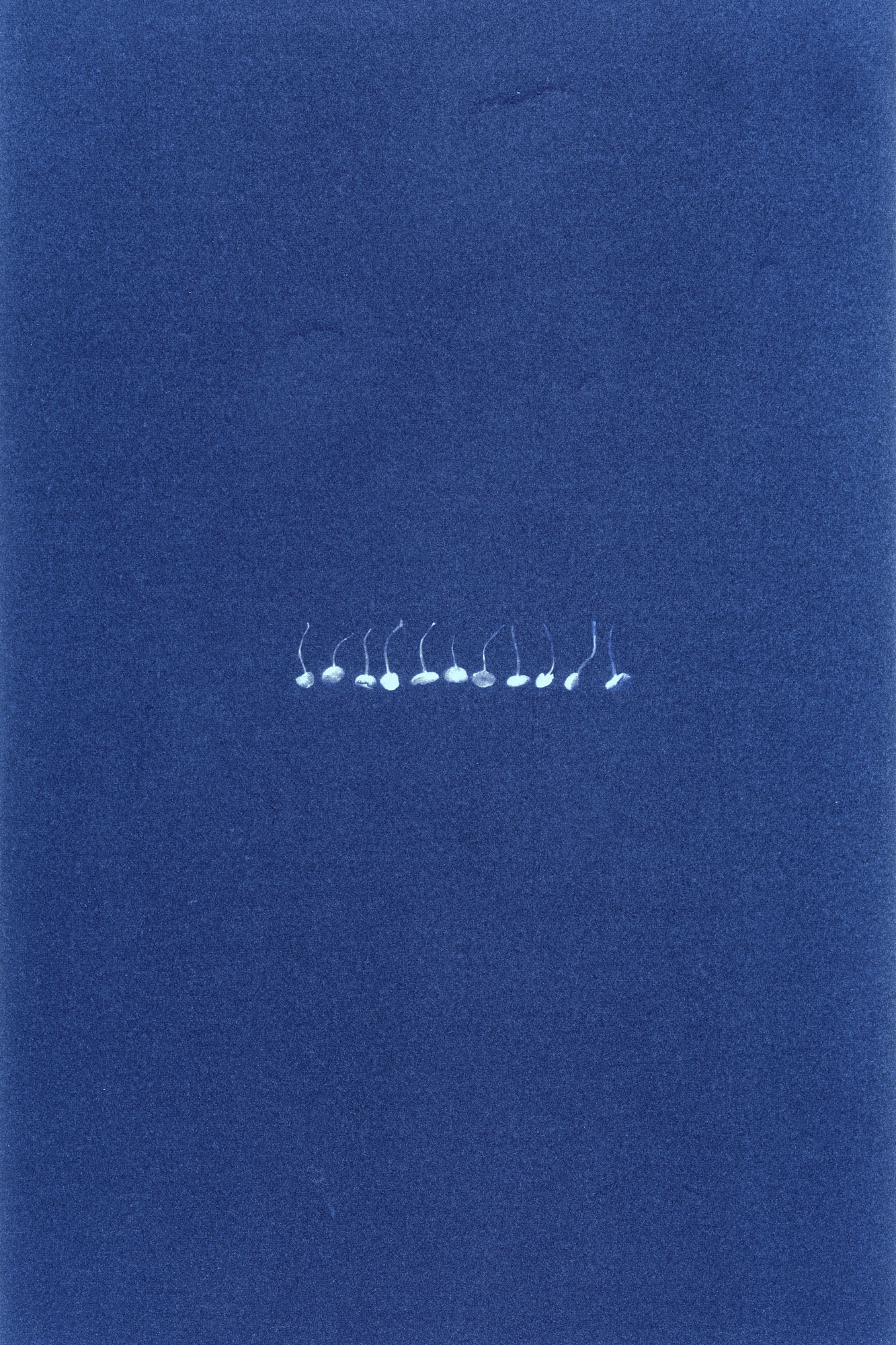
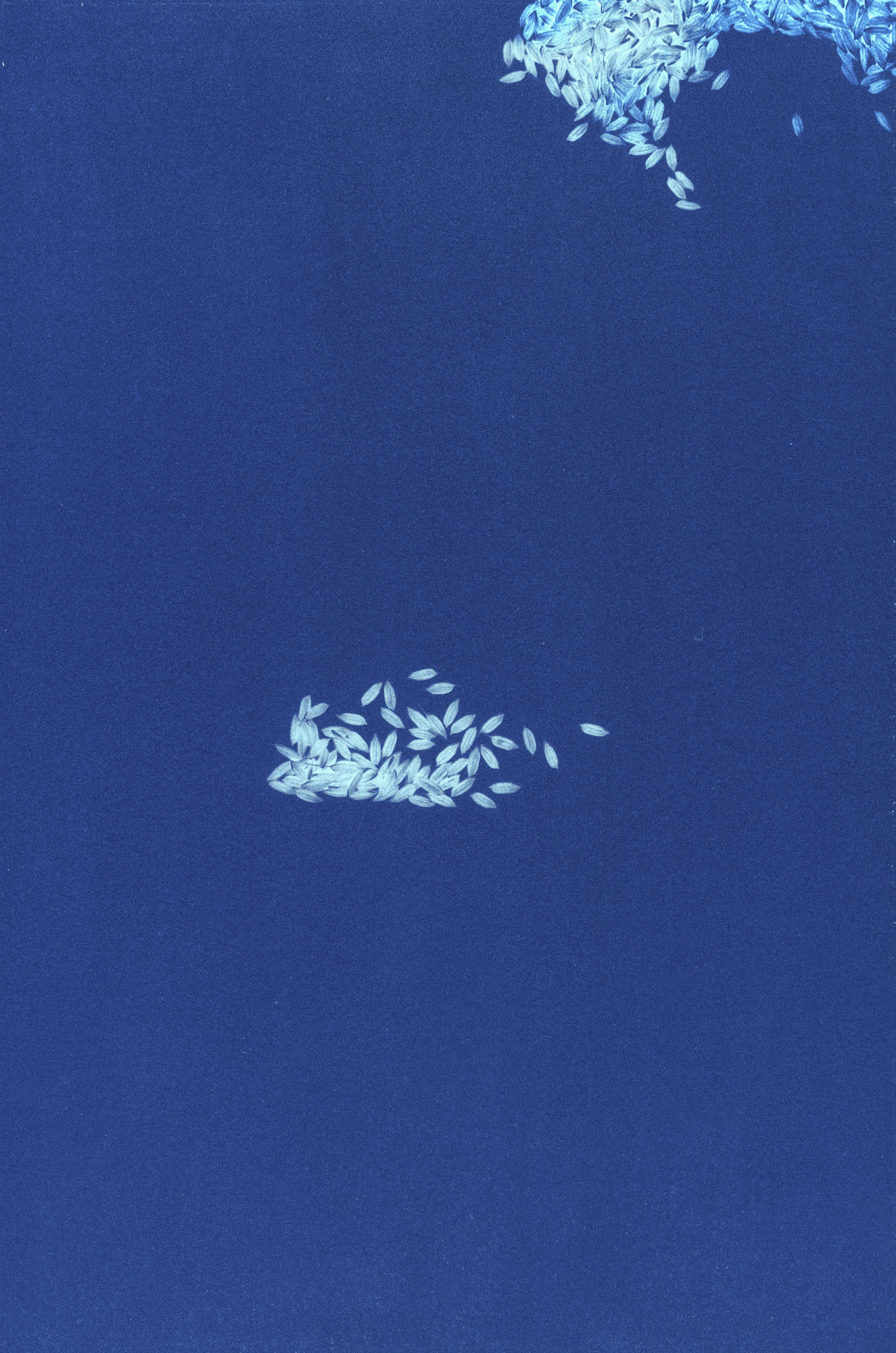


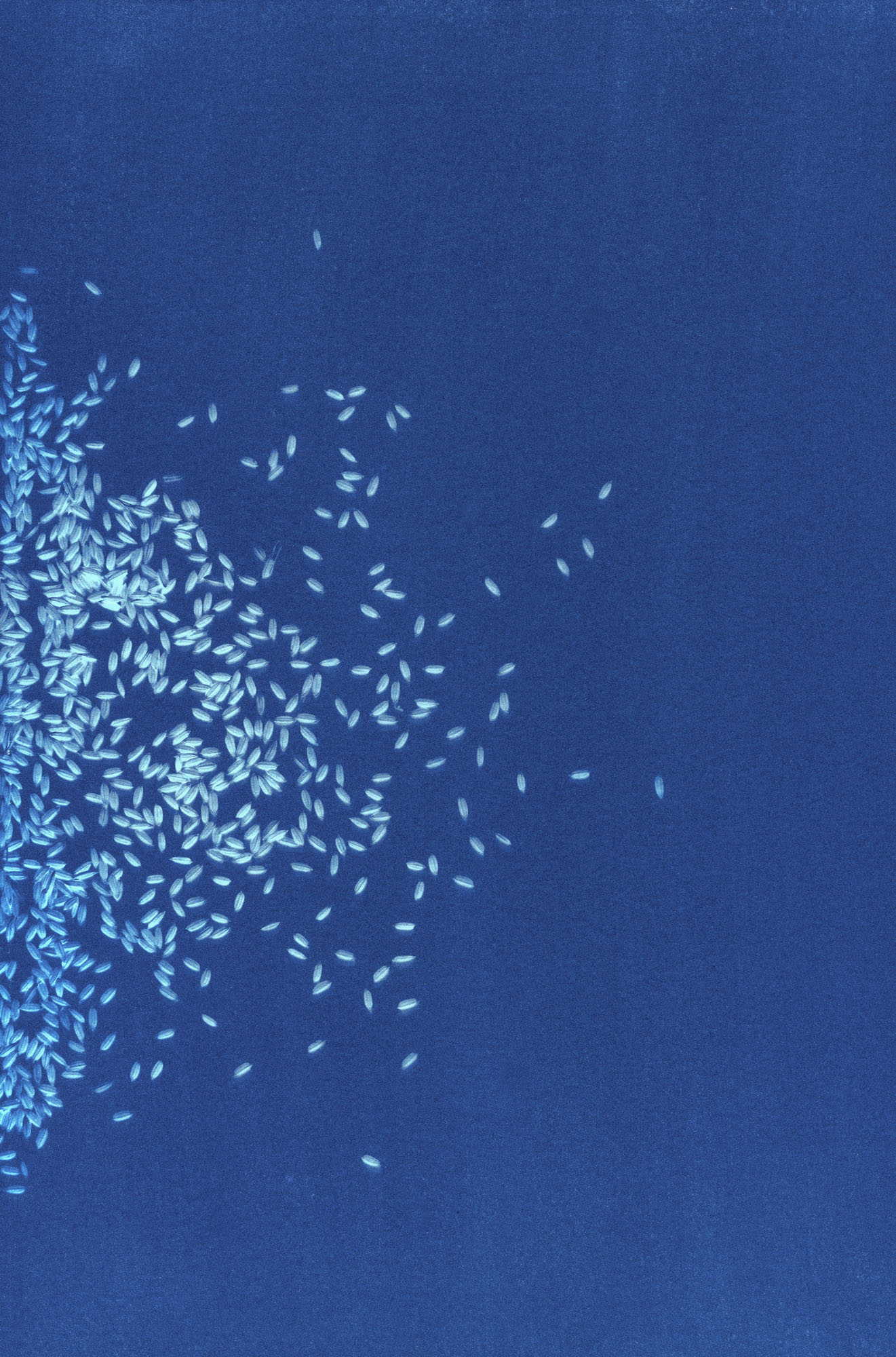
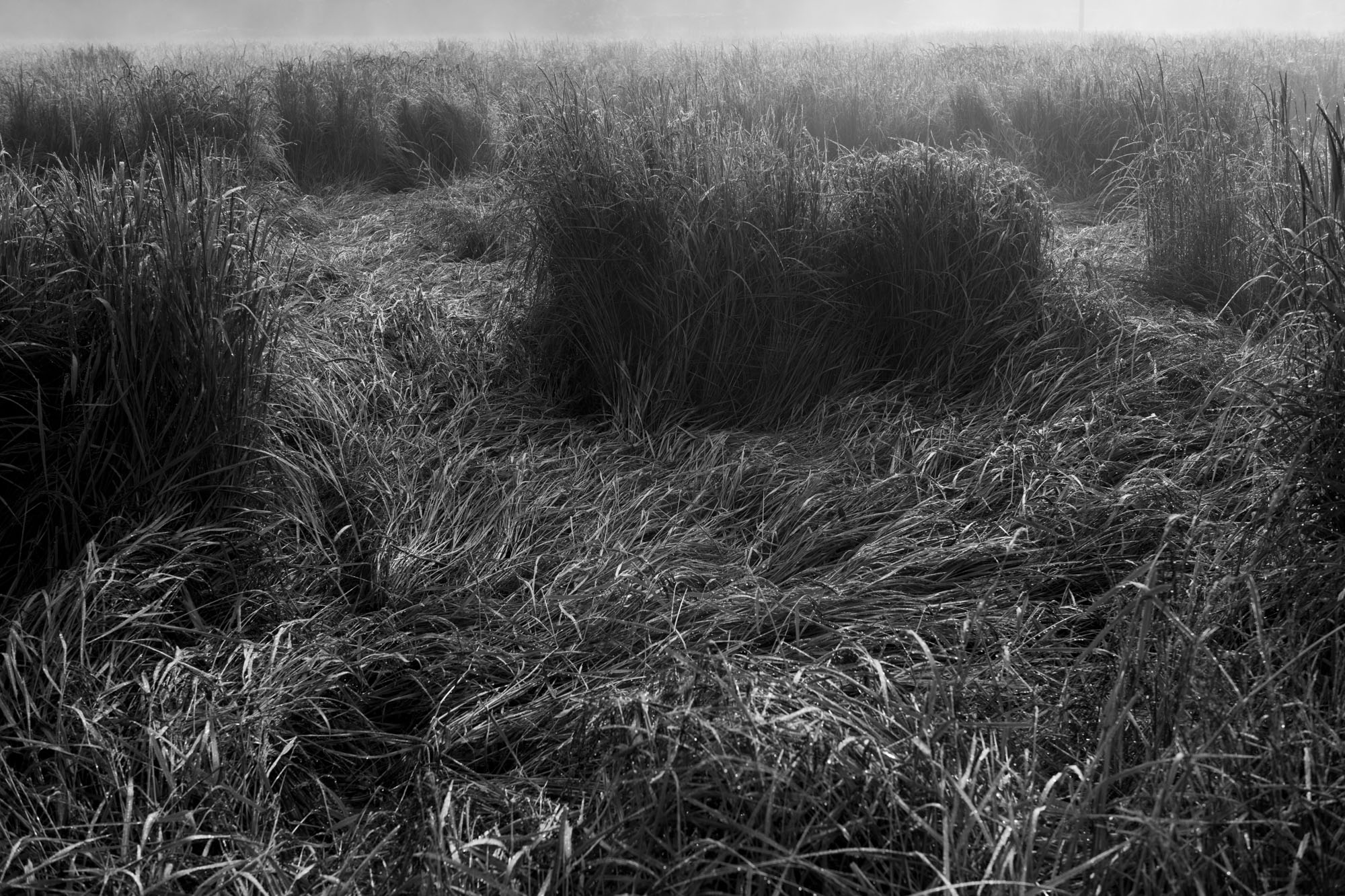
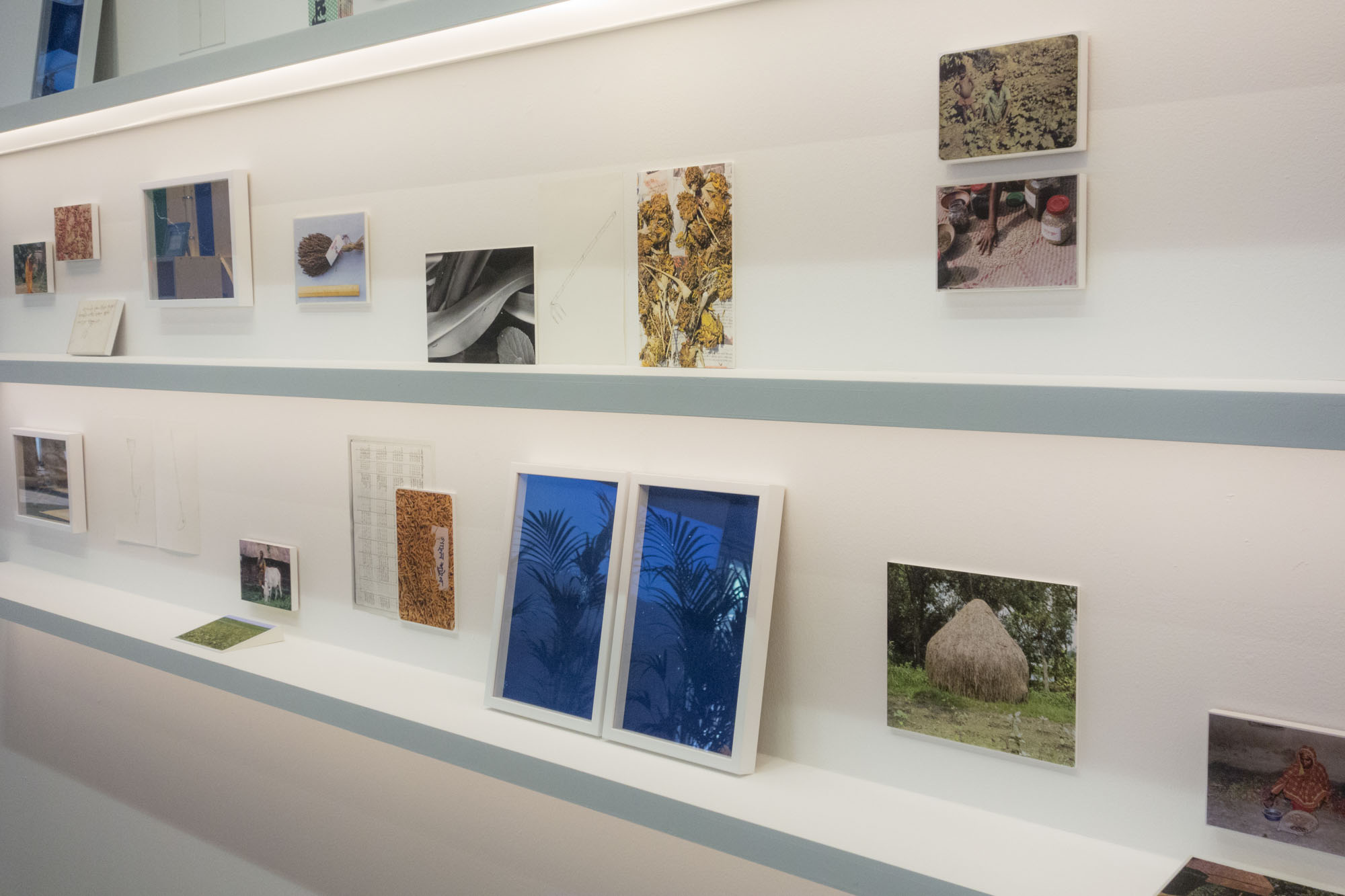
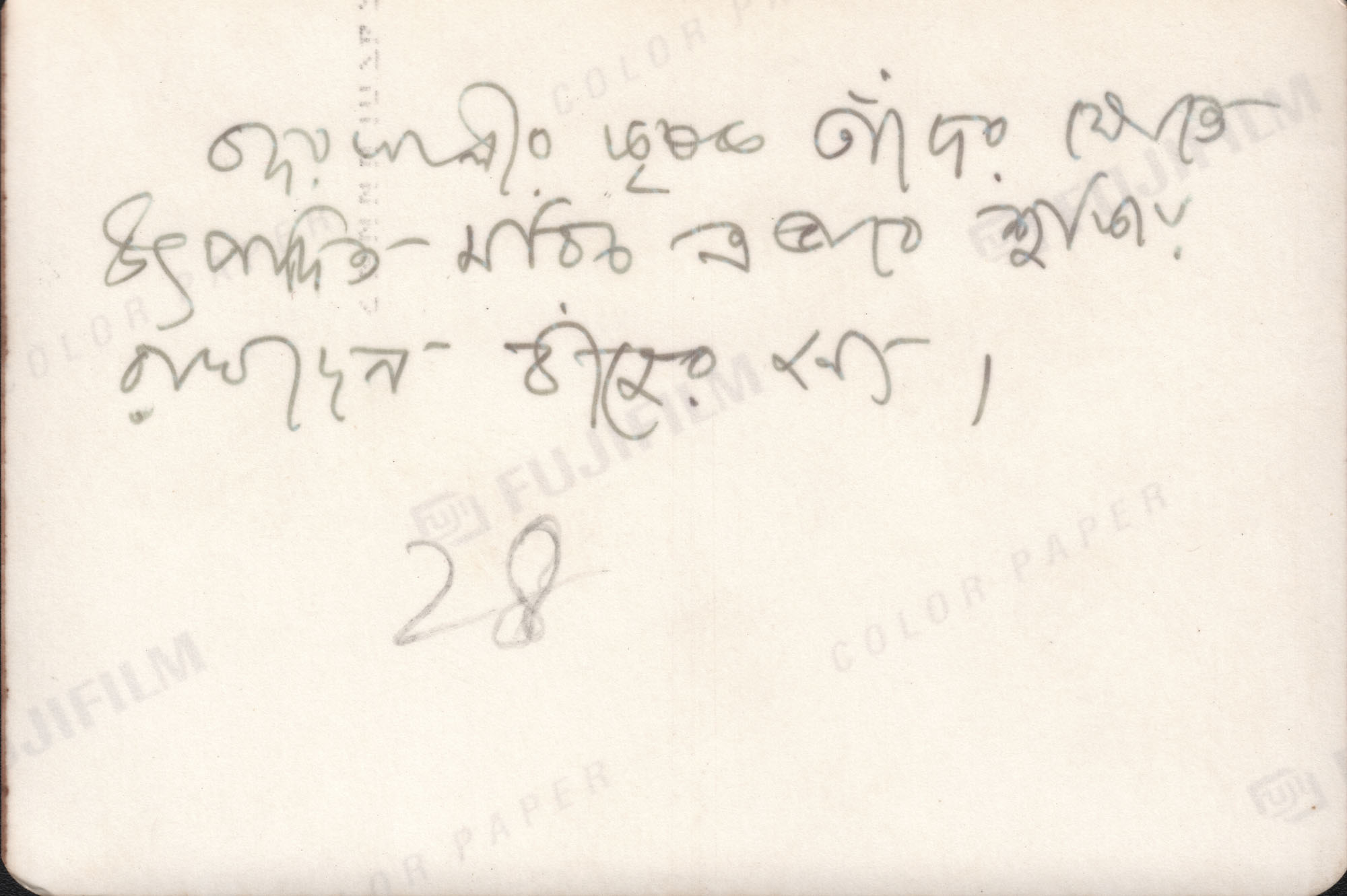
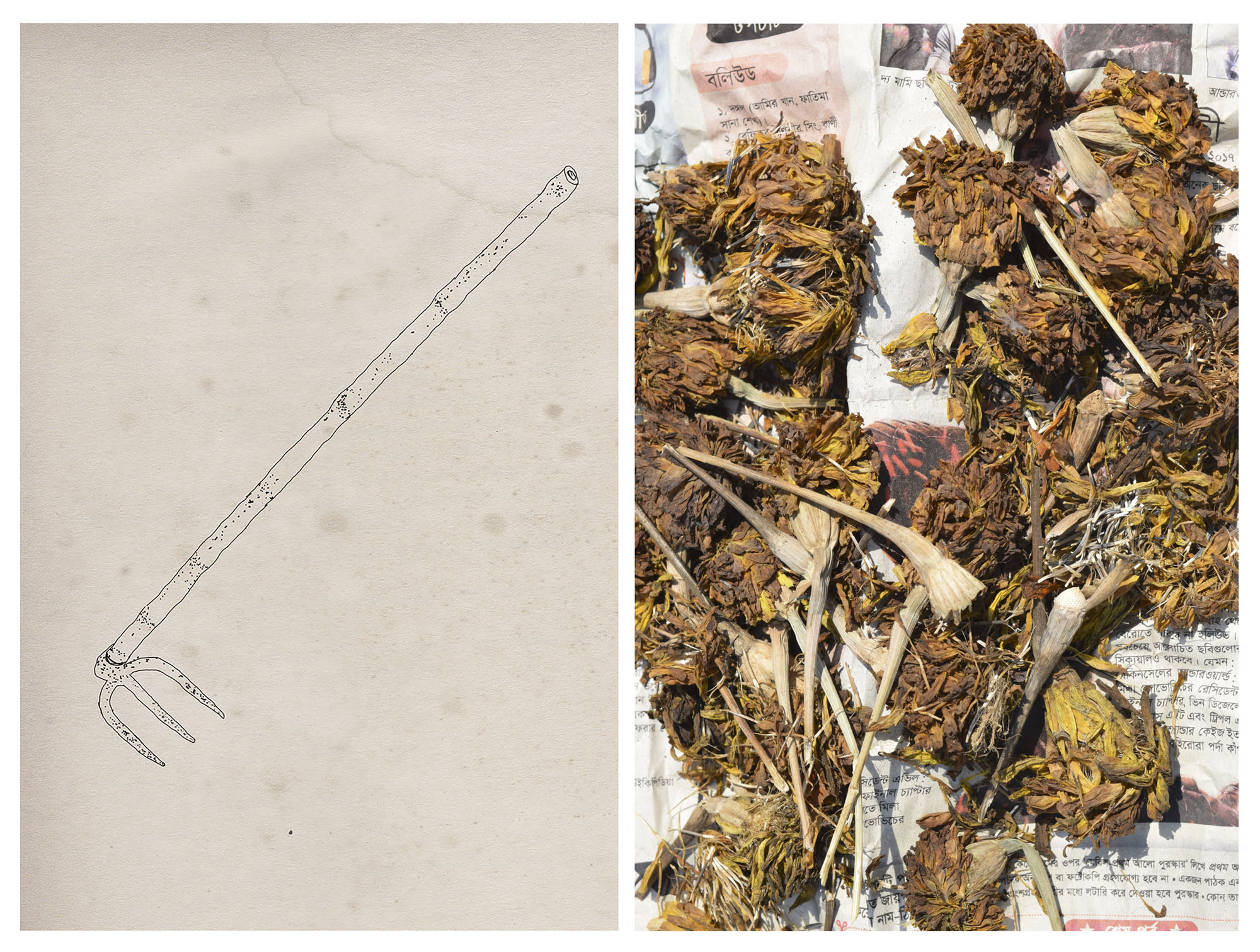
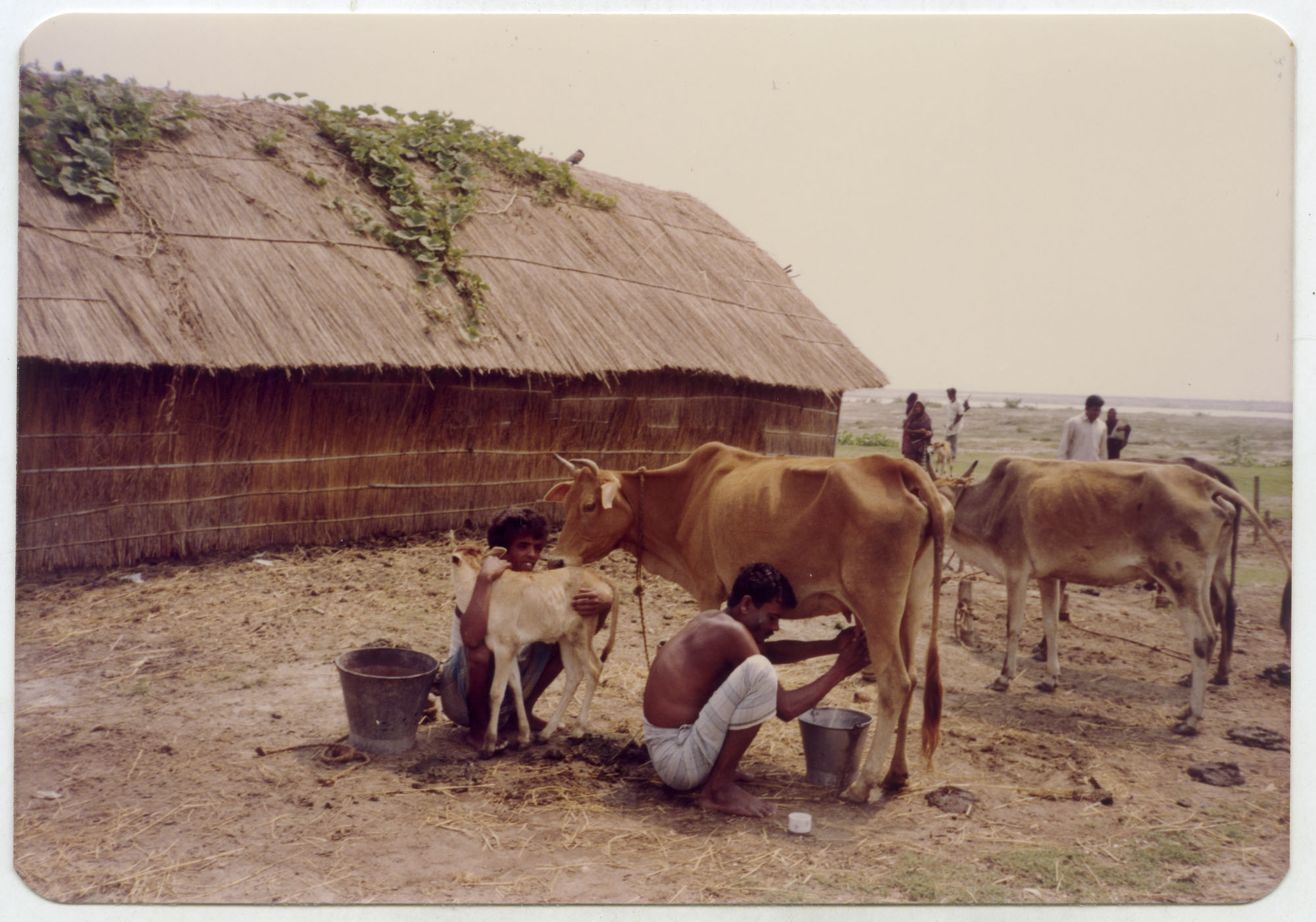
In the context of the fraught history of rice cultivation and distribution in Bangladesh, Wasif juxtaposes his cyanotypes of rice grains and plants with archive documents and photographs from one of the largest community grain banks in the country. For this work, the artist collaborated with the research-based organisation UBINIG, founded by a group of activists in 1984 to support the new Naya Krishi Andolan agricultural movement, which currently includes more than 100,000 farming families. This movement promotes local and non-chemical agriculture and indigenous agricultural knowledge to protect biodiversity and workers’ well-being.
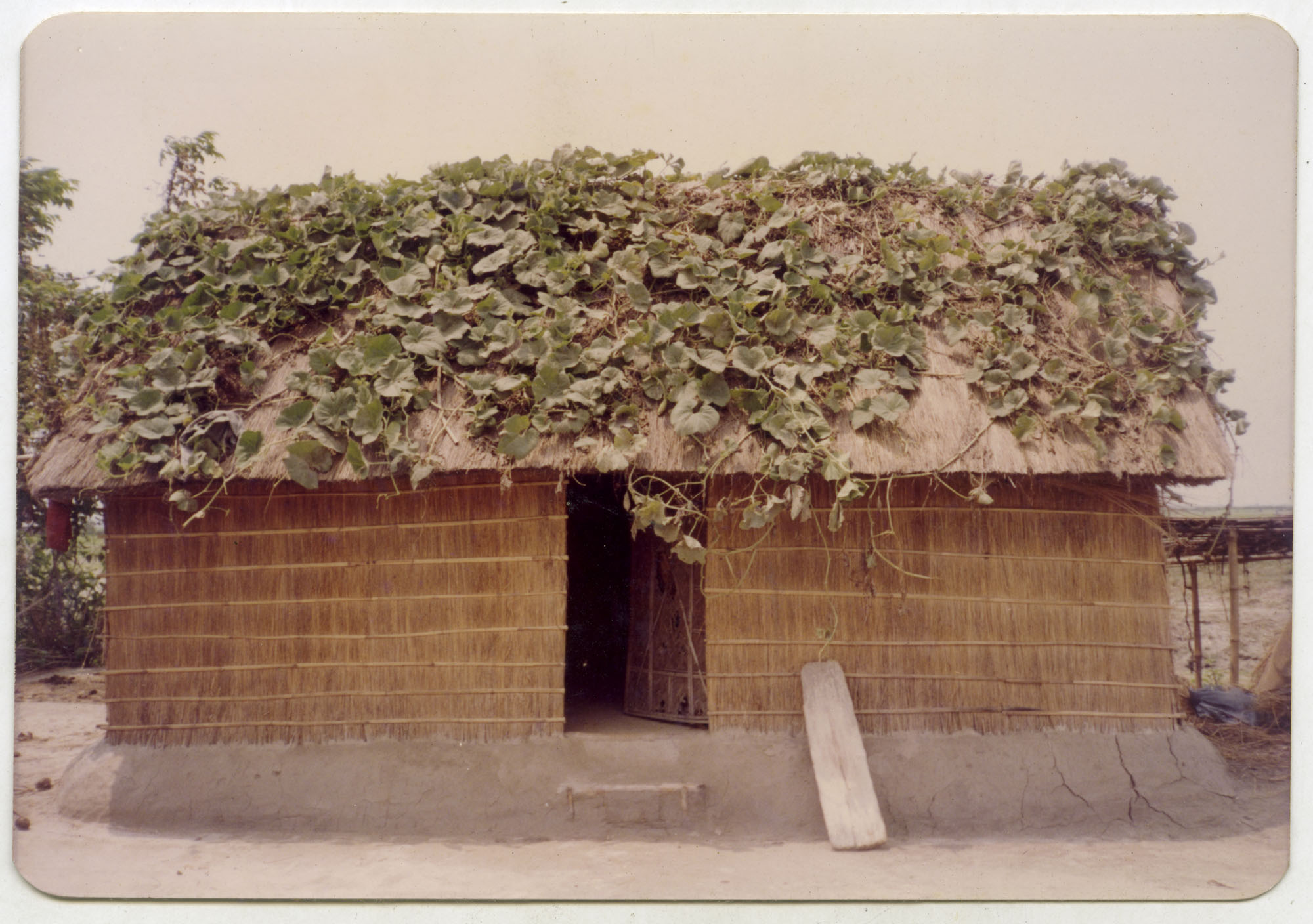
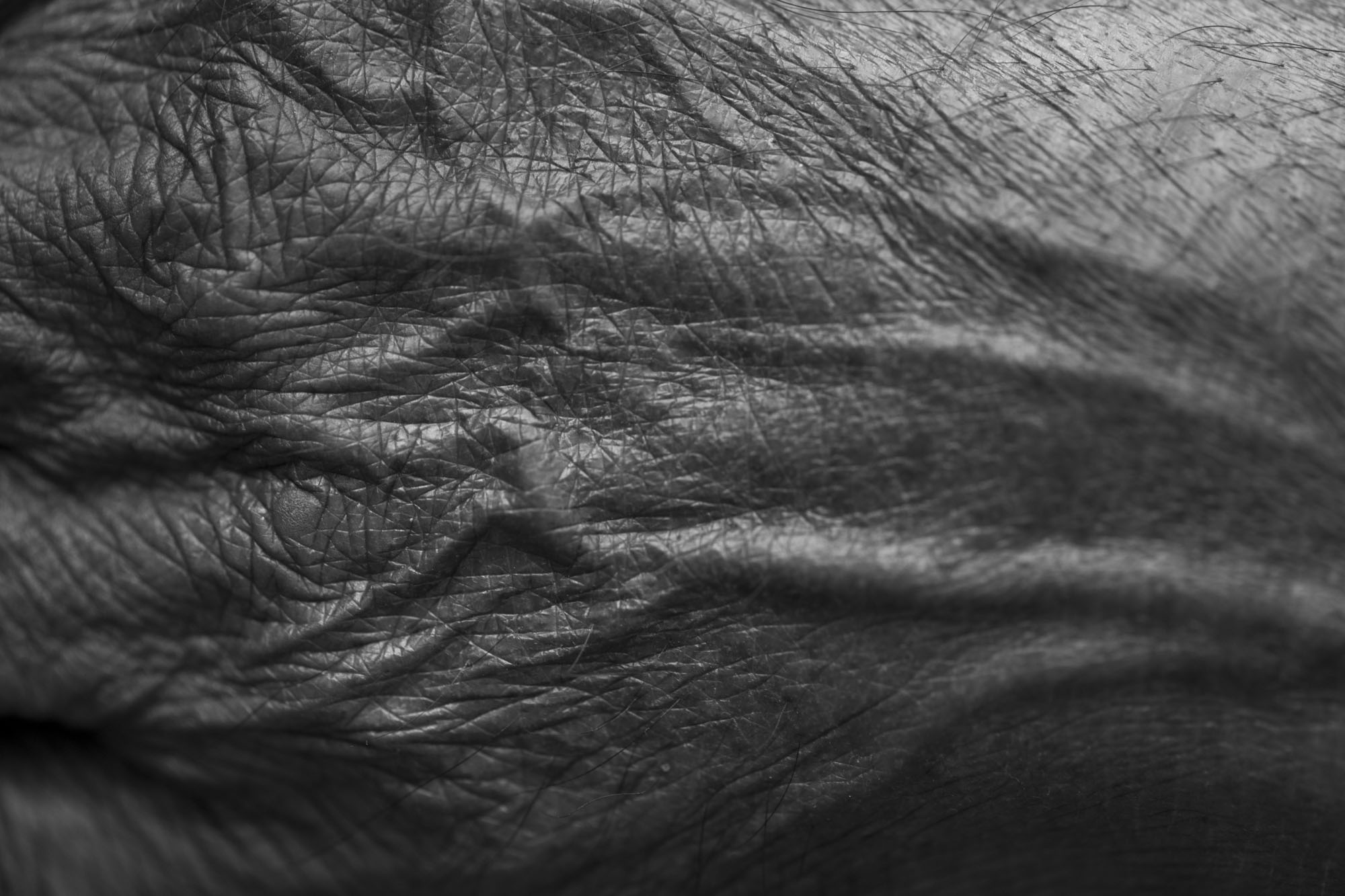

This project would have not been possible without the help of Mustain Zahir and the relentless efforts of the farmers of Nayakrishi Andolan all over Bangladesh to protect and preserve biodiversity and fight for reclaiming sovereign control over their land and livelihoods. Special thanks to Farhad Mazhar whose vision has led the way and made it possible. Thanks to Rabiul Islam Chunnu, Razab Ali, Borkot Hossain who opened the seed repository and introduced me to a variety of seeds.
Thanks to Debasish Shom who made the darkroom a living space again and helped me print all cyanotypes. Thanks to Shimul Saha, Dilshad Munmun, Tanvir Murad Topu, Iftekhar Hassan, Toukir Ahmed Tanvee, Enamul Hasan, Sadia Marium Rupa, Asmita Parelkar, Sheikh Motiar Rahman, Nasirul Islam, Md. Shakil Khan, Ruhul Amin and Pathshala South Asian Media Institute.